

Have you ever been at a concert and thought, "Wow, that bass is hitting me right in the soul!" or listened to a streaming track where the vocals feel as clear as if the singer were whispering in your ear? That magic doesn't happen by accident—it’s the work of the behind-the-scenes experts known as Sound Engineers. These people are the "wizards of audio," blending every frequency to perfection. In this article, UOB Live will open up their world and show you exactly what they do.
What is a Sound Engineer?
A Sound Engineer is a technical specialist responsible for managing, recording, mixing, and manipulating sound—whether it’s music, speech, or sound effects—to achieve the desired quality. If the artist is the creator of the music, the Sound Engineer is the one who ensures that music is pleasant to hear and reaches the listener’s ears with the highest possible quality. It is a profession that requires a perfect balance of technological science and the art of listening.
Types of Sound Engineers
While it might look like they all just sit in front of a computer or a mixing board, the field is actually divided into several specialties based on the environment:

Live Sound Engineering
A Live Sound Engineer is the person in control of the audio at events, concerts, or festivals. Their job is to ensure that both the musicians on stage and the audience hear the best possible sound. The challenge? There are no "second takes." Everything happens live, requiring excellent troubleshooting skills and the ability to work under intense time pressure. The larger the concert scale, the higher the pressure—but the adrenaline rush is off the charts!
Recording Engineering
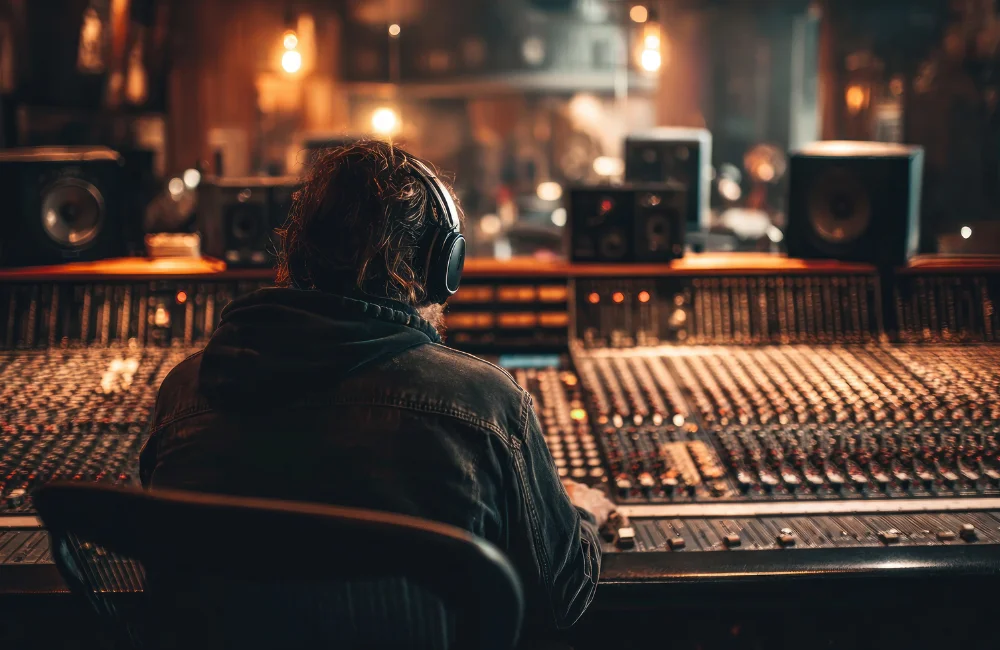
This path focuses on extreme precision within a recording studio. Responsibilities include selecting the right microphones, positioning them perfectly, and capturing the best "Source" audio to pass along to the mixing stage. For example, when recording an instrument like the piano, the engineer must have "god-tier" ears to hear the weight of the chords and ensure the song's emotion is fully captured in the most perfect audio file possible.
Mixing Engineering
A Mixing Engineer takes the individual recorded tracks—such as drums, guitar, bass, and vocals—and balances their volume, adjusts the tone (EQ), and adds effects. Their goal is to blend everything harmoniously so the listener hears a polished, cohesive track where sounds don't clash.
Mastering Engineering
The final gatekeeper before a song is released to the public. The Mastering Engineer fine-tunes the mixed track to ensure it has the proper loudness and meets industry standards. They ensure the audio sounds consistent across all devices, whether it's played through phone speakers, high-end headphones, or a car audio system.
Why are Sound Engineers So Important?
The importance of a Sound Engineer goes beyond technicalities; it’s about the listener's emotional experience:
- Elevating Audio Quality: They transform ordinary music into a multi-dimensional masterpiece that is deep and memorable.
- Translating the Artist’s Intent: If an artist wants to convey deep sadness or high-energy fun, the Sound Engineer uses audio techniques to amplify those feelings so the audience can truly vibe with the music.
- Preventing and Solving Audio Issues: They eliminate feedback, humming, or sound imbalances. The soundcheck process is vital to ensure that once the show starts, everything runs perfectly without a hitch.
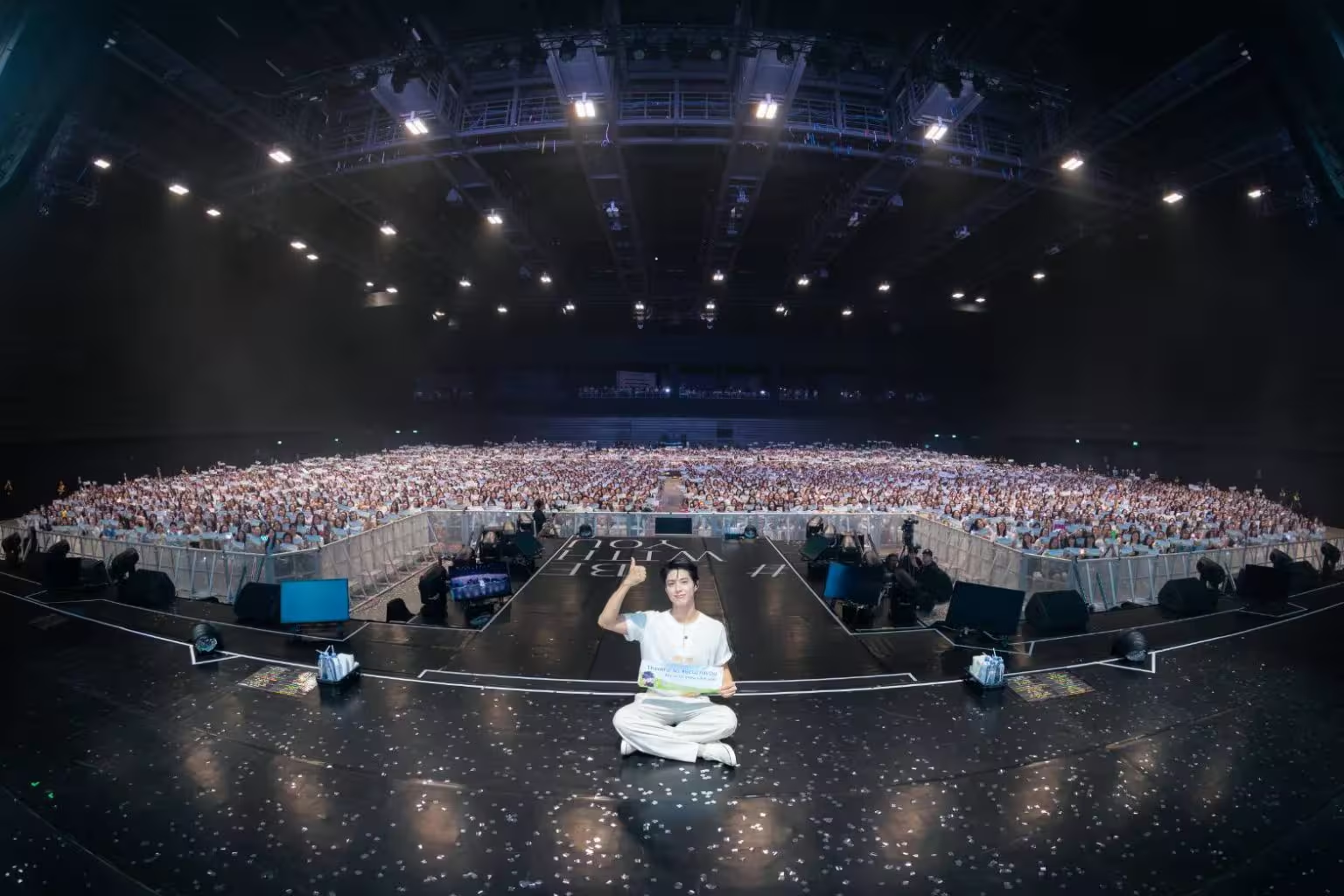
Think about world-class concerts like Taylor Swift or Coldplay—productions of that scale require a massive team of professional Sound Engineers to ensure tens of thousands of people hear every note clearly. UOB Live prioritizes this above all else. Our hall is specifically designed to support world-class audio with the L-Acoustics sound system, delivering crystal-clear sound to every single seat. We are ready to give you the ultimate musical experience!

Summary
A Sound Engineer isn’t just someone who operates equipment; they are artists who craft the dimensions of sound that make the world a better place to listen to. Whether it’s your favorite playlist or a high-energy concert where you’re jumping along, their work is the foundation of that success. We hope this article gives you a clearer view of how cool this profession really is. Next time you’re at a concert at UOB Live at Emsphere, don’t forget to cast an appreciative glance toward the sound control booth at the back!
Frequently Asked Questions (FAQ)
What degree do I need to become a Sound Engineer?
You don't necessarily have to graduate in a specific field, but a degree in Music Technology, Audio Engineering, or Mass Communications (Sound Major) provides a great foundation. However, the most vital elements are hands-on experience and a "trained ear" developed through constant listening practice.
Where can a Sound Engineer work?
The options are incredibly diverse, including Recording Studios, Event and Concert Rental Companies, TV Stations, Film Sets, and even Game Development Companies.
What is the difference between a Sound Engineer and a Music Producer?
A Sound Engineer focuses on audio quality and technical engineering aspects. A Music Producer focuses on the creative ideas, song direction, arrangement, and the overall concept of the work. That said, many professionals today handle both roles simultaneously!