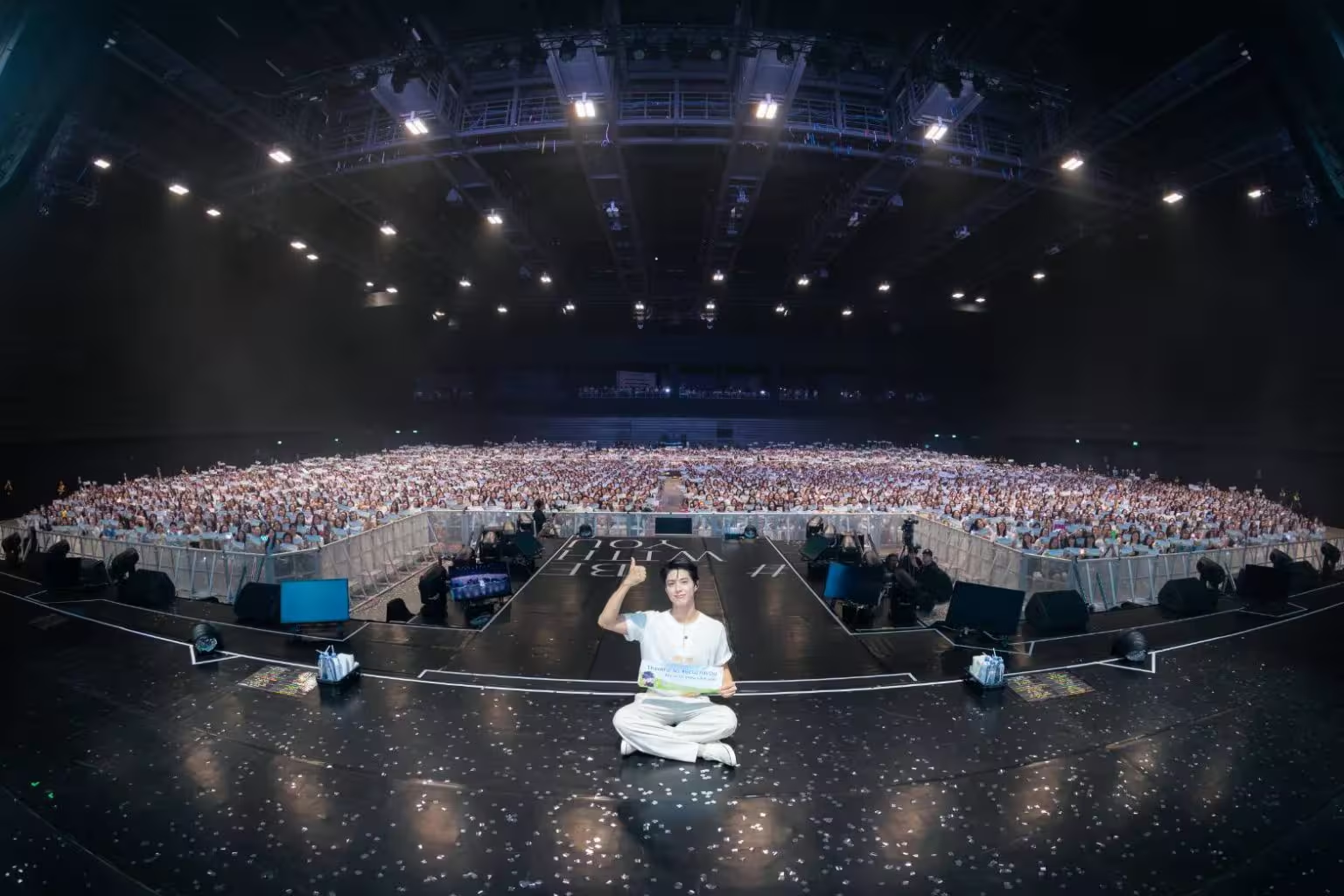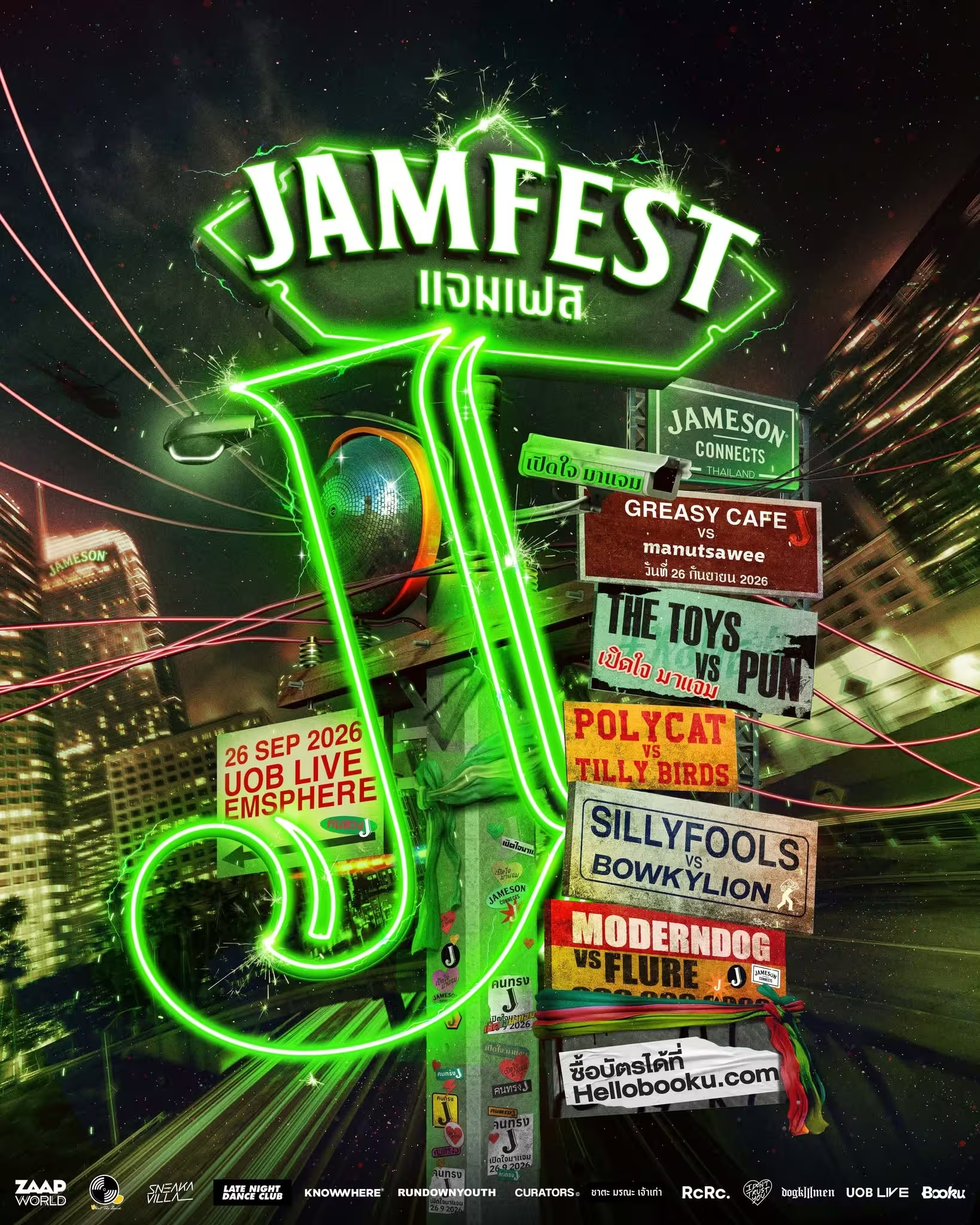



When we talk about easy-listening, enjoyable tracks that get stuck in your head until you have to put them on repeat, Pop music is undoubtedly the first thing that comes to mind. But have you ever wondered what "Pop" actually is and why it constantly adapts to every era? In this article, UOB Live takes you into the world of Pop—from its definition and key characteristics to its history and evolution—along with a guide to live music experiences at UOB Live that concert-goers shouldn't miss.
What is Pop Music?
Pop music, short for Popular Music, is music that is widely liked by the general public. Its main strengths are accessibility, a smooth sound, and a simple structure. It focuses on catchy melodies and lyrics about love, relationships, or daily life that anyone can relate to. It’s no surprise that this genre is played on loop on the radio, streaming platforms, and in shopping malls everywhere.
The History of Pop Music
Tracing back to the 1950s, the term "Pop Music" began to be used to describe a genre that branched off from Rock and Roll, emphasizing a more "listener-friendly" sound. It evolved from a variety of styles, including Jazz, Country, and R&B, becoming a mainstream force driven by the record industry and radio. This allowed the genre to spread across the globe rapidly.
Key Characteristics of Pop Music
What makes Pop different from other genres? You can easily spot it by its "winning formula" that prioritizes brevity and punchiness. On average, tracks run between 2–5 minutes and follow a clear Verse-Chorus structure. Other highlights include:
- The Perfect Hook: A "killer" phrase or a catchy melody that makes you sing along instantly—often called an Earworm. Sometimes, you only need to hear it a few times to remember it forever.
- Steady Rhythm: Most Pop songs use a 4/4 time signature, making them easy to listen to, dance to, and perfect for activities like walking, driving, or partying.
- Modern Production: Pop music often utilizes technology to polish the sound, using effects like Auto-Tune, synthesizers, or professional mixing to create a smooth, pleasant listening experience.
- Relatable Content: Most themes revolve around love, joy, or everyday experiences, allowing listeners to feel an immediate connection.
- Trend Adaptation: Pop seamlessly blends with other genres like EDM, R&B, Hip-Hop, or Indie, keeping it modern and timeless.
Pop Music Through the Eras
The most fascinating charm of Pop is its adaptability. It never stands still; instead, it constantly absorbs the culture and technology of the time. UOB Live wants to take you back in time to explore the journey of Pop through each era and see where it all began.

Pop Music in the 50s – 60s
The 50s and 60s were the pioneering years of Pop, heavily influenced by the distinct vibes of Rock and Roll. Iconic male soloists like Elvis Presley helped bring Pop to a wider audience, alongside the rise of early "boy bands" like The Beatles and legendary female groups like The Supremes.
Pop in this era relied on live instruments—guitar, bass, drums, and piano—combined with beautiful vocal harmonies. The music was fun, energetic, and easy to dance to, usually focusing on themes of love or everyday life. This period also sparked the birth of "youth culture," as music became a symbol of fun and freedom, creating a global teenage fanbase and laying the groundwork for all Pop eras to come.
Pop Music in the 80s – 90s
The 80s was the golden age of the Synthesizer and MTV, filling Pop with futuristic electronic sounds and making music videos a vital promotion tool. Global icons like Michael Jackson and Madonna defined this era with their signature dance moves, bold fashion, and infectious melodies.
As we moved into the 90s, Pop began blending more with R&B and Hip-Hop, resulting in smooth vocals paired with upbeat rhythms. This was also the era where Boy Bands and Girl Groups like the Backstreet Boys and the Spice Girls dominated the world, creating a massive "fandom" culture. It was a time of increasing diversity in music, dance, and fashion.
Pop Music from the 2000s – Present
From the 2000s to today, Pop has become truly "borderless." It has evolved into a hybrid genre, blending with EDM, Trap, Hip-Hop, and the global phenomenon of K-Pop. Artists like Taylor Swift, Ariana Grande, Dua Lipa, and The Weeknd have mastered the mix of Pop with R&B and electronic elements. Meanwhile, K-Pop powerhouses like BTS, BLACKPINK, and IU have turned Pop into a cross-country sensation.
We’ve also seen a resurgence of retro vibes like City Pop, mixing vintage sounds with modern production. Today, Pop isn't just "sweet songs" or "dance tracks"—it's a creative playground where artists can experiment freely. Thanks to online platforms, listeners can easily find the specific flavor of Pop that fits their personal taste.
Experience Pop Ballads with Valery Meladze at UOB Live
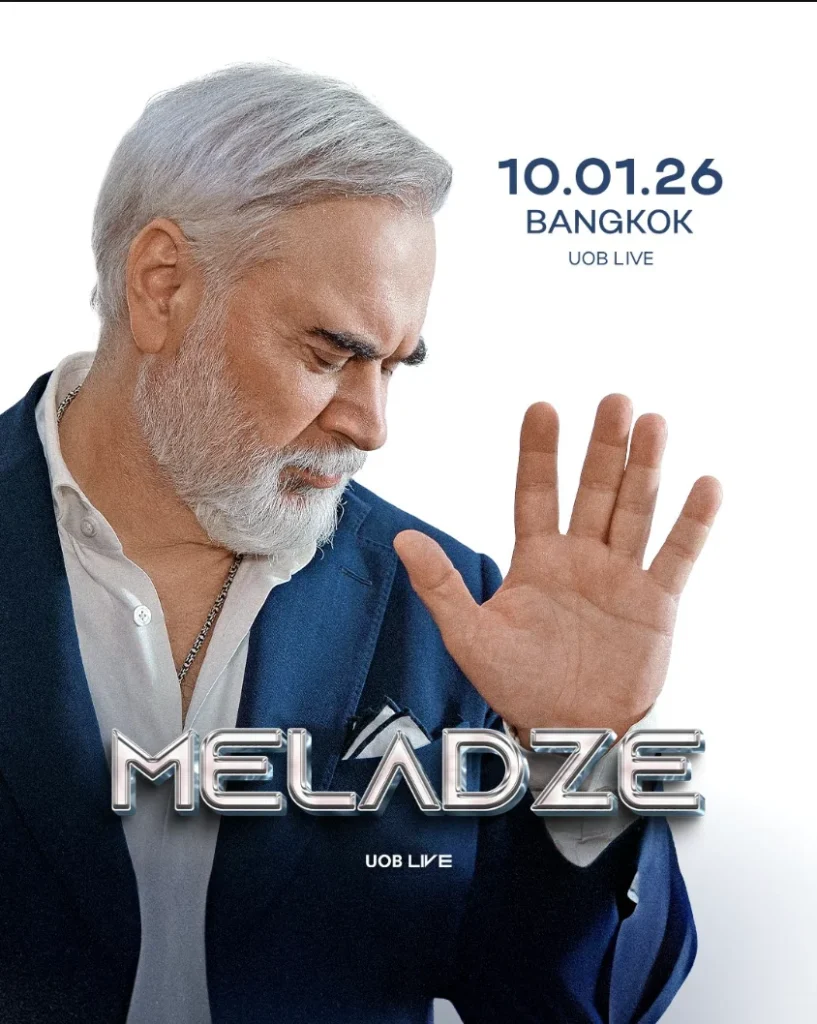
If you are a fan of pop music with a classical touch and powerhouse vocals, you cannot miss the chance to experience a world-class show at UOB Live: Valery Meladze in Bangkok! This legendary artist is ready to enchant everyone with his powerful pop ballads, set against a backdrop of cutting-edge sound and light systems. Our concert hall is specifically designed to provide the ultimate entertainment experience in the heart of Bangkok. We guarantee that hearing pop music on such a grand production scale will make you fall in love with the charm of the genre even more!
Summary
Pop music is more than just easy-listening tunes or catchy hooks; it is a reflection of people's feelings and lifestyles across different eras. The fact that Pop constantly evolves isn't just a coincidence—it’s the very charm that keeps the genre fresh and timeless.
Whether it's classic Pop or the hits of today, the power of music to connect listeners remains the same. If you want to fully immerse yourself in the emotions of Pop or elevate your listening experience with high-energy production, be sure to check the upcoming events and Concerts in Bangkok at UOB Live. You might just stumble upon your new favorite concert!
Frequently Asked Questions (FAQ)
How is Pop music different from other genres?
The main strength of Pop is its accessibility and wide appeal. It features simple song structures, catchy hooks, and relatable themes like love or daily life. In contrast, genres like Jazz, Rock, or Indie may focus more on technical complexity or niche-specific identities.
Why does Pop music constantly change with every era?
Because Pop reflects the culture and tastes of the listeners at that specific time. Artists and producers must adapt their sound and style to match audience behavior—whether it was the era of Radio, MTV, or modern-day Streaming. Pop music never stands still.
Are Pop and K-Pop considered the same genre?
K-Pop is a branch of Pop music that evolved by blending various genres like Hip-Hop, EDM, and R&B. Combined with high-end production, choreography, and a strong visual identity, it has become a global Pop phenomenon in its own right.