

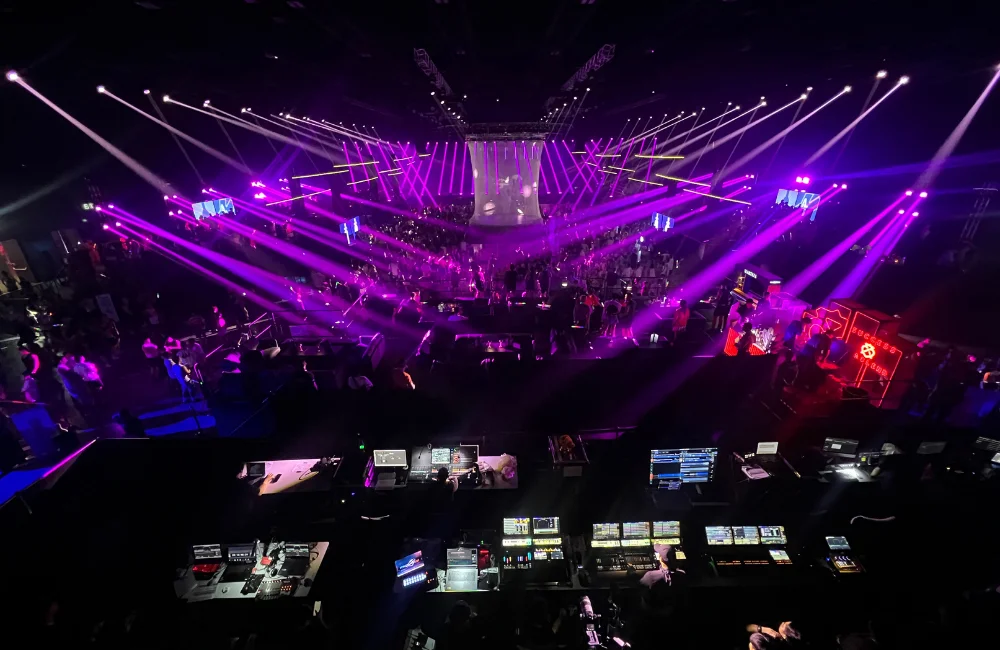
When you attend a concert by your favorite artist, have you ever been amazed by the booming sound and the spectacular lighting on stage? Ever wondered what’s hidden behind these incredible performances? Let us tell you—every impressive show doesn't happen by luck; it comes from professional preparation through an essential document called a Technical Rider. Today, UOB Live volunteers to take you behind the scenes to find out what this document is and why it’s a crucial manual for artists and crews. If you're ready to find out, let's dive in!
What is a Technical Rider?
A Technical Rider, or "Tech Rider" for short, is a document that consolidates all the technical requirements of an artist or band for a live performance. Think of it as a manual that the artist sends to the venue or organizer so that the local team—whether it’s the Sound Engineers, Lighting Directors, or Stage Crew—can prepare everything exactly as the artist needs. This ensures the show is perfect, whether it's a small-scale gig or a massive Concerts in Bangkok.
The Importance of a Technical Rider
Imagine if there were no Tech Rider: an artist might arrive at the venue only to find the wrong speakers, unsuitable microphones, or lighting that isn't as impactful as imagined. Chaotic on-site communication can cause the show to stumble and waste precious time. The Technical Rider directly solves this problem by making communication between the artist’s team and the venue clear and systematic. Every party understands exactly what needs to be prepared, reducing on-site errors and ensuring a smooth workflow. This allows the artist to perform at their best while the audience receives the ultimate experience.
What Must a Technical Rider Include?
A good Tech Rider should be detailed and cover all requirements. Typically, it consists of these main sections:
1. Stage Plan
This section is essentially the "blueprint" of the stage. It displays an easy-to-understand diagram showing where each performer will stand, where each instrument is placed, and the locations for monitors and other technical gear. Having a clear diagram helps the crew set up (Load-in) and perform sound checks quickly and accurately. Most importantly, it reduces confusion on-site, giving the artist the space they need to perform fully and elevating the overall production quality to a professional level.
2. Audio Requirements
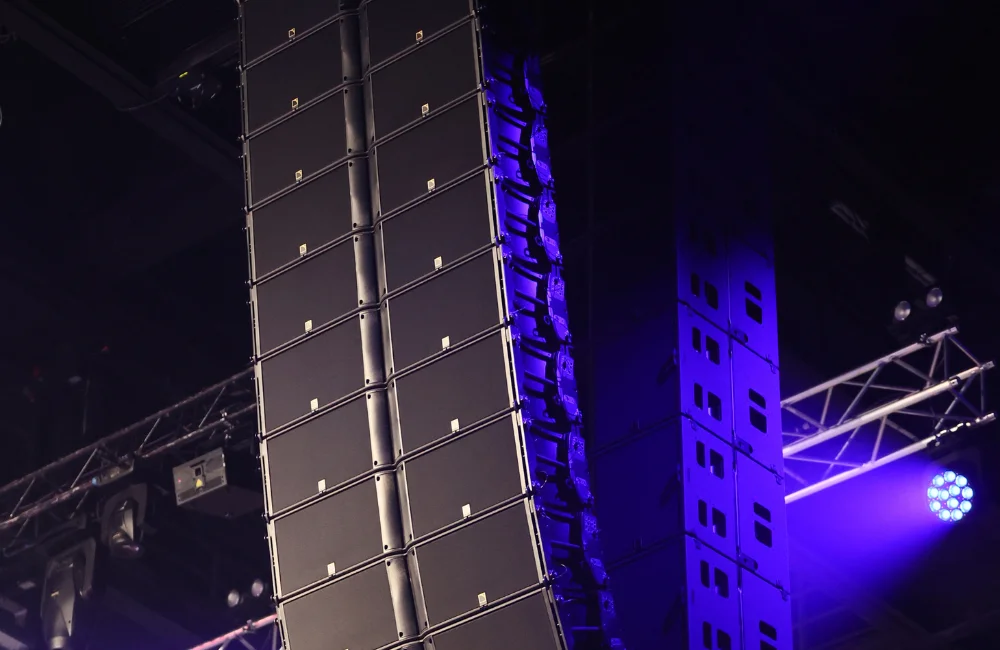
This section dives deep into the overall sound of the show. It specifies every detail of the required audio system, from the microphone list (brand and model) for vocals and each instrument to the number of DI boxes, the type of mixer, and the PA speaker systems for the audience and stage monitors. The information in this section ensures the show's sound is exactly as the artist intended.
At UOB Live, we prioritize this above all else. We are fully equipped with cutting-edge, world-class audio systems, featuring industry-leading brands like L-Acoustics for powerful, multi-dimensional sound that covers every seat. We also provide DiGiCo mixing consoles—trusted by sound engineers worldwide—and high-quality Sennheiser wireless microphones to ensure every vocal note is crystal clear. Artists can rest assured that every audio requirement will be met flawlessly.
3. Lighting Requirements
Here is the translation for the remaining sections and the guide on how to write a professional rider:
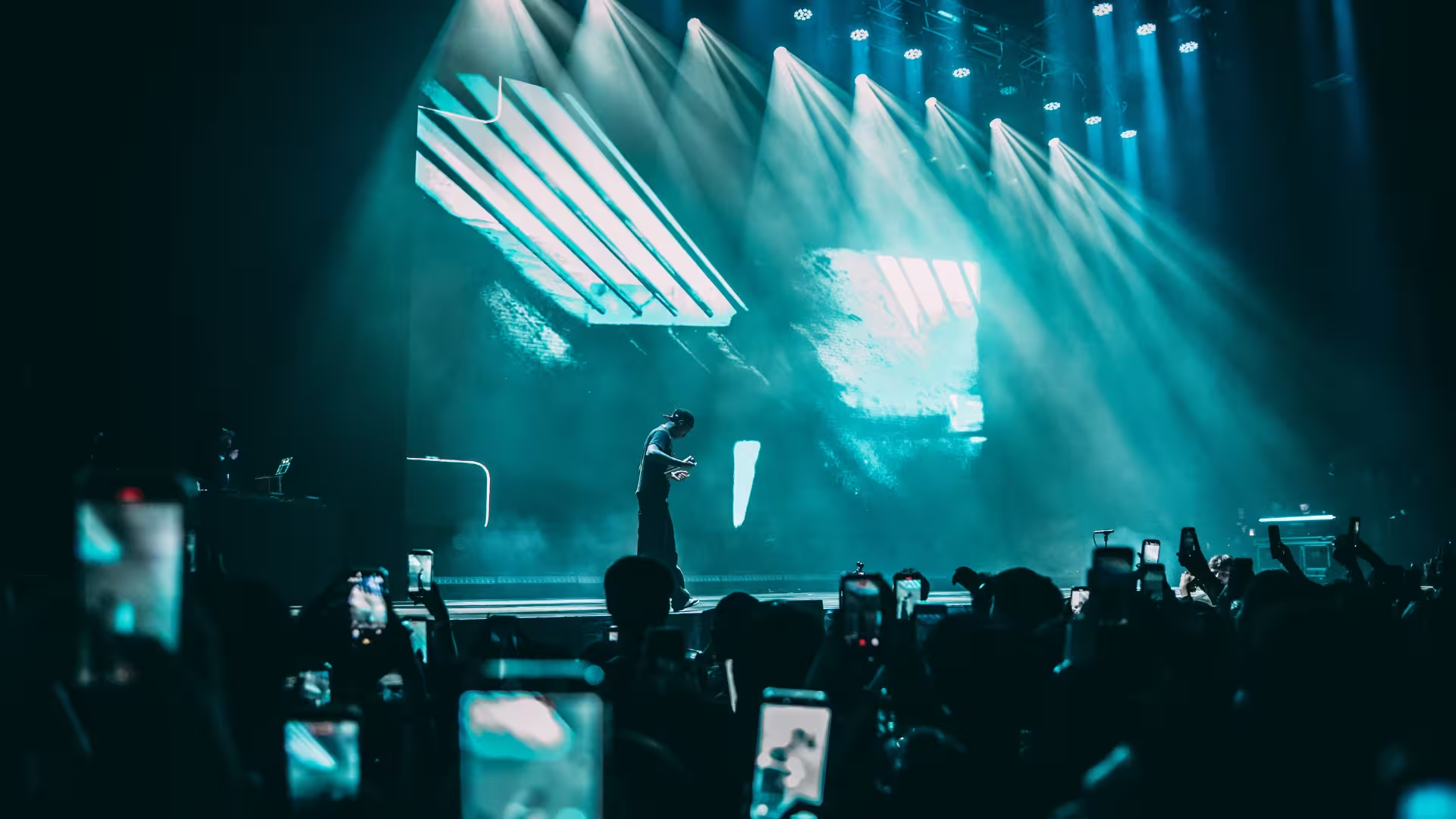
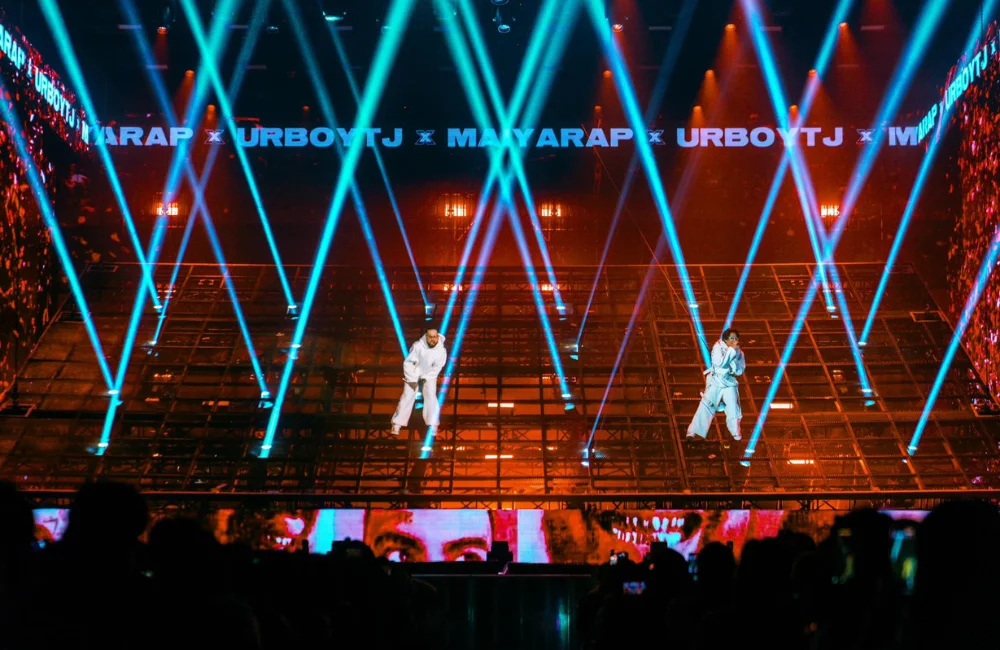
For shows that demand spectacular visuals, this section specifies all lighting requirements. This includes types of fixtures like Par cans, Moving Heads, and Spotlights, as well as rigging positions, the use of Hazers/Fog Machines, and even the color palette for each segment of the show. At UOB Live, we hold nothing back when it comes to lighting! We feature high-quality fixtures from ACME, all controlled by the world-renowned MA Lighting grandMA3 console. This allows Lighting Designers to turn any imagination into a reality on stage, perfectly matching the event's atmosphere.
4. Backline/Equipment List
Backline refers to the musical instruments and amplifiers the venue must provide, such as guitar amps, bass amps, drum kits, or keyboards. This list clearly specifies brands and models to ensure artists can achieve their signature sound.
5. Sound Check & Schedule
A perfect show isn't just about sound and lights—timing is key! This section must provide a clear timeline of the day, from Load-in and setup times to the duration of the sound check, and finally, the set times. A precise schedule prevents on-site chaos and ensures a smooth workflow for all parties.
6. Power Requirements
Power is a big deal! High-production shows consume massive amounts of electricity. Therefore, the Technical Rider must specify the exact power draw required. Top-tier venues like UOB Live at Emsphere provide ample and safe power systems, guaranteeing there will be no "buzzkill" moments like power surges or outages to interrupt the fun.
7. Contact Information
Wrap things up with the contact details of the artist's representatives, such as the Tour Manager or Production Manager. Include names, phone numbers, and emails clearly. This allows venue teams to reach the right person immediately for urgent questions or quick confirmations. Fast, direct communication is a priority for the UOB Live team to ensure everything goes according to plan!
How to Write a Concise & Complete Technical Rider
A good Tech Rider must be clear and easy to understand. Use universal industry language and organize information into logical sections.
- Be Clear, Concise, and Simple: Forget writing an essay! Use direct language and organize data with bullet points or tables for quick reading.
- Be Specific: The more detail, the better. If you want a Fender Twin Reverb amp, name the model specifically. Providing alternatives (backups) also helps reduce errors significantly.
- A Picture is Worth a Thousand Words: Especially for the Stage Plan. Using a diagram allows the crew to visualize the stage layout instantly, which is far more effective than long paragraphs.
- Keep it Updated: If there are changes to the lineup, equipment, or extra requirements, update the rider and notify the venue immediately. The team plans everything based on the latest version they receive.
And most importantly—always keep it updated! If there are any changes to the performing artists, equipment, or additional requirements, you must update the Technical Rider and notify the organizer or venue immediately. The team will plan every single detail based on the latest version of the document you submit.
Summary
A Technical Rider isn’t just a document filled with random technical data; it is the heartbeat of a smooth and perfect show. It serves as the ultimate communication tool between artists and organizers, all working toward the same goal: creating an extraordinary experience for the audience. For anyone dreaming of having their own concert or interested in the behind-the-scenes world of event production, understanding the Tech Rider is a vital first step toward becoming a professional in the music industry. At UOB Live, we are ready to be a partner who understands every detail of your Tech Rider. With our professional team and world-standard technology, we are prepared to transform every artist’s requirement into an unforgettable, show-stopping performance!
Frequently Asked Questions (FAQ) about Technical Riders
What happens if there is no Technical Rider?
It is absolutely essential! Whether you are a small band or a big act, having a Tech Rider makes your workflow look much more professional. It doesn't need to be as complex or grand as a major artist's rider; just having basic necessary info—like a simple Stage Plan and a list of instruments and mics—helps the venue's sound team understand your needs. It makes preparation much easier and drastically reduces on-site chaos.
Do I have to write the whole Technical Rider from scratch, or are there templates available?
Don't worry about starting from zero! There are plenty of Tech Rider templates available for download online. Just search for "Technical Rider Template," choose a layout that looks easy to follow, and customize it with your band's information. This is the best and easiest way to start if you’ve never made one before.
Do small bands or new artists really need a Technical Rider?
Yes, absolutely! Whether the band is small or large, having a Tech Rider helps the operation run much more professionally. You don't need the extravagant details of a superstar; just the essentials like a basic Stage Plan and an instrument/mic list will help the venue team grasp your vision. It ensures everything is ready for you and makes for a much smoother experience on the day of the show.